로그인
로그인 회원가입
회원가입 전체메뉴
전체메뉴메인 본문


관심정보 서비스
나의 관심정보
전체 방문자 관심정보
전체 방문자가 자주 찾는 정보는!

통합접수
-
접수중
카페 기차가 있는 풍경 페루 커피 시음회
2026-10-13 ~ 2026-10-25
여가도시과
자세히보기 -
접수중
2026년 11~12월 마들상상놀이터 - 디자인 놀이터
2026-10-15 ~ 2026-10-22
여가도시과
자세히보기 -
접수중
2026년 11~12월 마들상상놀이터 - 퍼포먼스 뮤지컬 놀이터
2026-10-15 ~ 2026-10-22
여가도시과
자세히보기 -
접수중
「흙을 빚고,초록을 심다」 2026년 초안산 도자기체험장 특별전시 오프닝 프로그램
2026-10-05 ~ 2026-10-19
여가도시과
자세히보기 -
접수중
육사 야구장 예약접수 (10월)
2026-09-19 ~ 2026-10-31
체육도시과
자세히보기 -
접수중
노해 청소년 체육시설 예약접수(농구장)-10월
2026-09-19 ~ 2026-10-31
아동청소년과
자세히보기 -
접수중
노해 청소년 체육시설 예약접수(풋살장)-10월
2026-09-19 ~ 2026-10-31
아동청소년과
자세히보기 -
접수중
유축기 대여 예약 신청
2026-10-02 ~ 2026-12-31
생활보건과
자세히보기 -
접수중
2026 역사의 길 해설 프로그램 - 토요일
2026-01-01 ~ 2026-12-31
미래교육과
자세히보기 -
접수중
2026 역사의 길 해설 프로그램 - 평일
2026-01-01 ~ 2026-12-31
미래교육과
자세히보기 -
접수중
2026년 마들보건지소 어린이건강 체험관(개인) 예약
2025-12-05 ~ 2026-12-31
마들보건지소
자세히보기 -
접수중
2026년 마들보건지소 어린이건강 체험관(단체) 예약
2025-12-05 ~ 2026-12-31
마들보건지소
자세히보기 -
접수중
야간세무민원상담실 사전예약하세요.
2023-01-12 ~ 2026-10-31
징수과
자세히보기 -
접수중
지구의 길 해설 프로그램
상시
녹색환경과
자세히보기 -
접수중
노원둘레산천길 스탬프투어 및 모바일 스탬프투어 완주인증서 발급신청
상시
문화도시과
자세히보기 -
접수예정
노해 청소년 체육시설 예약접수(농구장)-11월
2026-10-19 ~ 2026-11-30
아동청소년과
자세히보기 -
접수예정
노해 청소년 체육시설 예약접수(풋살장)-11월
2026-10-19 ~ 2026-11-30
아동청소년과
자세히보기 -
접수예정
중랑천제2파크골프장 11월 이용분 예약접수
2026-10-19 ~ 2026-10-23
체육도시과
자세히보기 -
접수예정
중랑천제1파크골프장 11월 이용분 예약접수
2026-10-19 ~ 2026-10-23
체육도시과
자세히보기 -
접수예정
중랑천제1파크골프장 "등록장애인(노원구민)" 11월 이용분 예약접수
2026-10-19 ~ 2026-10-23
체육도시과
자세히보기
빠른서비스
 어르신
어르신 장애인
장애인 여성
여성 아동/청소년
 건강
건강 생활
생활 교육
교육 문화
문화 민방위
민방위 복지
복지 교통
교통 부동산
부동산 보육
보육 행정정보
행정정보 구청위치
구청위치 구청안내
구청안내![[제목] 2026 노원달빛산책 : 새로운 달 개최 [내용] - 기 간 : 2026. 10. 16.(금) ~ 11. 8.(일) / 24일간 17:30 ~ 22:00 - 장 소 : 당현천 일원(중계역/당현1교 ~ 양지교 1.3km 구간) - 주요내용 : 예술 등(燈)·빛 조각 작품전시, 주민참여 커뮤니티아트, 달빛해설사, 주말 문화예술 공연 등 - 주최·주관 : (재)노원문화재단 [자세히 보기]](/webcontent/banner/2026/10/12/ee095373-4061-4080-81a1-8828a3a77deb.png)
![[제목] ○ 2026 노원 야외도서관 [내용] - 기 간: 2026. 10. 17.(토) ~ 18.(일) / 12:00~20:00 - 장 소: 경춘선 숲길 일대(하계2동 주민센터 앞) - 주요내용: 노원 야외도서관 개막행사, 북콘서트(“AI 시대, 사람을 읽다”), 인문학 콘서트 (“이탈리아 명화 속 이야기로 만나는 위로와 낭만”) 등 - 주최·주관: 노원구, 노원구립도서관 [자세히 보기]](/webcontent/banner/2026/10/12/0430b328-6cb2-4965-8d76-dada3bf2a62e.png)
![[제목] 2026 동 마을축제 [내용] ○ 행 사 명: 2026 동 마을축제 ○ 기 간: 2026. 9. 5.(토) ~ 10. 31.(토) (총 8일간) ※ 9. 5.(토), 19(토) / 10. 3(토), 17(토), 18(일), 24(토), 25(일), 31(토) ○ 장 소: 석계역 문화공원 외 18개소 ○ 내 용: 주민이 스스로 기획하고 만들어가는 동 마을축제로, 동별 특성에 맞는 다양한 공연 및 체험 부스 운영 [자세히 보기]](/webcontent/banner/2026/9/1/742a60a1-61b9-479a-9958-cef333ce58fc.png)
![[제목] 노원어린이극장 예술교육프로그램 <방과후 공연놀이터> [내용] ❍ 기 간 : 2026. 9. 16. (수) ~ 12. 9. (수) ❍ 운영시간 : 매주 수요일 오후 2시 30분 ❍ 운영장소 : 노원어린이극장(노해로502 KT빌딩 신관 지하 1층) ❍ 관람대상 : 초등학생 누구나 (권장연령 : 4~6학년) ❍ 관 람 료 : 1회 7,000원 / 전회차 패스 45,000 [자세히 보기]](/webcontent/banner/2026/9/8/d38f4e46-a8b3-43fe-ae7d-22b0cbb633d4.png)
![[제목] 2026. 6. 1. 기준 주택가격 열람 및 이의신청 안내 [내용] ▸(대상) 2026. 6. 1. 기준 개별·공동주택 ▸(기간) 2026. 9. 30.~2026. 10. 29. ▸(방법) 구청(재산세과) 방문, 부동산공시가격알리미 사이트 [자세히 보기]](/webcontent/banner/2026/9/28/f3a4632c-913f-4719-873a-119a6df72bc8.png)
![[제목] 노원어르신일자리지원센터 <도전! 노원어르신 디지털 골든벨> [내용] - 대 상 : (골든벨참가)노원구 거주 만65세 이상 어르신 50명 (청중) 노원구민 누구나 체험 및 참여가능 - 일 시 : 2026년 10월 27일(화) 12:30~16:00 - 장 소 : 노원구청 2층 대강당 - 신 청 : 10월1일~10월8일 노원어르신일자리지원센터 유선·방문접수 - 예 선 : 2026년 10월 16일(금) 14:00 [자세히 보기]](/webcontent/banner/2026/9/30/57c068da-d429-4d18-904c-aef764b003f3.png)
![[제목] 2026 서울특별시교육청과 함께하는 『노원수학축전』 [내용] ▢ 일 시 : 2026. 10. 31.(토) 10:00~17:30 ▢ 장 소 : 노원수학문화관 일원(내·외부 전체 활용) ▢ 대 상 : 유아, 초·중·고등학생 및 청소년, 지역주민 등 ▢ 주요내용 • 학교·기관·단체가 참여하는 57개 수학 체험부스 및 전시·놀이 체험 프로그램 운영 • 도전! 수학 골든벨, 수학 스피드 챌린지 등 참여형 수학 경진 프로그램 운영 등 [자세히 보기]](/webcontent/banner/2026/10/1/04587e52-b630-4015-9122-2025cb77e99f.png)
![[제목] 2026 노원구 청년마켓(10월) 개최 [내용] ○ 일 시 : 2026. 10. 17.(토) 14:00 ~ 20:00 ○ 장 소 : 경춘선공릉숲길 舊웰컴센터(공릉로 27길 90) 부근 ~ 공릉동도깨비시장 후문(동일로180길 61-1) 부근 ○ 내 용 : 관내 청년 및 소상공인 등의 창작물 판매부스 운영, 관내 대학(인덕대, 서울 과기대) 및 청년유관시설·단체(노원청년정책거버넌스센터, 노원일삶센터 등) 홍보 및 체험부스 운영 [자세히 보기]](/webcontent/banner/2026/10/2/8fd2584e-92cb-481c-a282-8af6b27e7ec3.png)
![[제목] 불암산아트포레 갤러리 기획전 「이끼(moss):자연을 담다」 [내용] ❍ 전시일정 : 2026. 10. 2.(금) ~ 11. 16.(일) ※ 매주 월 휴관 ❍ 운영시간 : 10:00 ~ 18:00 ❍ 전시장소 : 불암산아트포레 갤러리(불암산힐링타운 내) ❍ 내 용 : 이끼(moss)와 자연 조형물로 자연의 아름다움을 액자에 담아낸 작품 20여 점 전시 [자세히 보기]](/webcontent/banner/2026/10/2/c54613b1-507e-4724-a339-f056d4f110c5.png)
![[제목] 노원책상 갤러리 기획전 「숲의 시간」 [내용] ❍ 전시일정 : 2026. 10. 6.(화) ~ 11. 6.(금) ❍ 운영시간 : 09:00 ~ 18:00 ※ 주말‧공휴일 운영 ※ 무료 관람 ❍ 전시장소 : 노원구청 1층 로비 (노원책상갤러리) ❍ 내 용 : 테라리움 작품 20여 점 [자세히 보기]](/webcontent/banner/2026/10/12/a030dd81-2afd-4201-969b-b524f859737f.png)
![[제목] 2026-2027절기 인플루엔자(독감) 예방접종 안내 [내용] ▣ 접종기간 : ~ 2027.4.30.(금)까지 ▣ 대상자별 시작일 *어린이·임신부 : 2026.9.21.(월) ~ *어르신 75세 이상 : 2026.10.6.(화) ~ 70세~74세 : 2026.10.12.(월) ~ 65세~69세 : 2026.10.15.(목) ~ *의료수급권자/심한장애인/국가유공상이등급자 : 2026.10.19.(월) ~ [자세히 보기]](/webcontent/banner/2026/10/12/402f92eb-a004-40cc-a30c-aff613d141ee.png)
![[제목] 함께하시개! 2026. 노원 반려동물 문화축제 [내용] ○ 일 시 : 2026. 10. 31.(토) 10:00~15:30 ○ 장 소 : 마들스포츠타운 축구장(노원구 덕릉로 460) ○ 참여대상 : 반려동물 동반 여부와 관계없이 누구나 ○ 내 용 : 어린이와 가족이 함께 즐기는 다양한 체험·참여 프로그램 운영 [자세히 보기]](/webcontent/banner/2026/10/12/461403b9-50b6-4f54-95ab-714d8bb49ab8.png)
![[제목] 2026년 아기맞이 건강프로그램 하반기 교육 일정 [내용] ※ 신청방법: 서울시 임신출산 정보센터(https://seoul-agi.seoul.go.kr/index) 온라인 신청 ※ 교 육 명: 임신부 체조교실, 베이비마사지(+수면교육) 등 ※ 모유수유 클리닉은 1시간에 2명씩 맞춤 교육입니다. ※ 일정 및 프로그램은 사정에 따라 변경될 수 있습니다. [자세히 보기]](/webcontent/banner/2026/10/12/84473452-325a-417c-be16-b1e812fe3020.png)
![[제목] < 2026년 하반기 동행안심벨 > [내용] ㅇ 지원대상 : 서울 거주 및 서울 소재 직장·학교에 소속된 사람 ㅇ 지원내용 : 휴대용 그립톡·키링 겸용 ‘동행안심벨’ ※ 연동형과 비연동형 중 한 개 선택 ㅇ 지원방식 - (무료공급) 여성, 청소년(24세 이하), 노인, 장애인, 1인가구 등 사회안전약자 - (일반공급) 사회안전약자 외 희망자 ※ 일부 자부담(7천원) ㅇ 신청기간 : 2026. 9. 28.(월) ~ 연중 상시 ※ 물량 소진 시 조기 마감 [자세히 보기]](/webcontent/banner/2026/10/12/75562a55-fae5-450e-b8a5-4a984e6fc08b.png)
![[제목] < 2026년 노원구 청년창업 역량강화 코칭클래스 > [내용] ㅇ 모집기간 : 2026. 10. 9.(금) ~ 11. 3.(화) ㅇ 접수방법 : 서울특별시 소상공인아카데미 온라인 접수 (HTTPS://EDU.SEOULSBDC.OR.KR) ㅇ 교육일정 : 2026. 11. 3.(화), 11.4.(수), 11.9.(월), 11.10(화), 10:00~13:00, 총4일 ㅇ 교육장소 : 서울창업디딤터 대강의실 [자세히 보기]](/webcontent/banner/2026/10/13/6435a1f8-3b4b-488a-aae5-2ebbecca2927.png)
![[제목] 2026년 재난대응 안전한국훈련 실시 [내용] ○ 일시·장소: 2026. 10. 30.(금) 14:00~16:00 / 삼육대학교 신학관 및 불암산 일원 ○ 노원구청·노원소방서 공동주관으로 복합재난 대응훈련을 실시합니다. ○ 토론·현장훈련을 통해 재난대응 및 기관 간 협업체계를 점검합니다. [자세히 보기]](/webcontent/banner/2026/10/14/25e2ae2b-8c8a-43d2-bc3c-44cfb7006e52.png)

 조직도
조직도 구민 참여
구민 참여 온라인투표
온라인투표 여론조사
여론조사


 대형폐기물배출신고
 구민안심보험
 자전거보험
자전거보험 일자리정보
일자리정보 보건증발급
보건증발급 민방위
민방위 수의계약
수의계약 전기차충전소
 공공현수막신청
 야간세무민원상담실
 아이편한택시
 장애인친화미용실
 노해청소년체육시설
 초안산캠핑장
 불암산더불어숲
 공유모빌리티 통합신고
 주정차단속조회
 여권발급안내
 민원서식
민원서식 새올전자민원
 구민제안
구민제안 구민고충처리위원회
 무인민원발급기
 칭찬합니다
칭찬합니다 노원복지샘
노원복지샘 복지로
복지로 어르신
어르신 장애인
장애인 여성/영유아
 아동/청소년
 120 외국어 상담
 120 수어 상담
 자활
자활 청년
청년 노원교육플랫폼
 서울시립과학관
 노원천문우주과학관
 노원수학문화관
 노원화상영어
 정보화교육
정보화교육 노원구 경계선 지능인
  동네배움터
동네배움터노원구청 게시판
- 공지사항
- 채용공고
- 고시공고
-
보도자료
- 구청장이 보는 재건축 현황, 구민도 똑같이 본다 노원구, 홈페이지에 재건축·재개발 'NOW ON' 개설 2026.1015
- 재개발‧재건축 이주 부담 덜어준다! 노원구, 정비사업구역 이주민 중개보수 최대 20% 감면 2026.10.14
- 재건축 발목 잡는 ‘상가 쪼개기’ 막는다...노원구, 선제 대응 나서 재건축 예정지 13개소에 정비구역 지정 전 행위제한 추진 2026.10.13
- 노원구, 불합리한 국고보조율 개선 정부에 공식 건의 “서울-지방 일률적 기준 개선”, “재정 여건에 따른 보조율 차등 적용” 2026.10.12
- 지역경제 살리는 착한 가게, 착한 소비...구청장도 ‘만 원의 행복’ 노원구, ‘착한가격업소’ 지원 강화해 소상공인에 힘 보탠다. 2026.10.08
- 포토뉴스


- 고시공고노원구 시간선택제임기제공무원(자살예방전담요원) 채용 면접심사 결과 및 신규임용 후보자 등록 안내 공고 2026.10.15
- 공지사항[건강 실천 캠페인] '음료 속 카페인 함량 알아보기' 챌린지 당첨 안내 2026.10.15
- 고시공고국민건강증진법위반과태료 독촉고지서 (2026년 6월 수시부과분) 공시송달 공고 2026.10.15
- 고시공고국민건강증진법위반과태료 납부고지서 (2026년 9월 수시부과분) 공시송달 공고 2026.10.15
- 고시공고서울특별시 노원구 정원지원센터(식물관리/카페운영) 기간제근로자 채용 공고 2026.10.15
-
- 카페 기차가 있는 풍경 페루 커피 시음회 접수중
- 2026년 11~12월 마들상상놀이터 - 디자인 놀이터 접수중
- 2026년 11~12월 마들상상놀이터 - 퍼포먼스 뮤지컬 놀이터 접수중
- 「흙을 빚고,초록을 심다」 2026년 초안산 도자기체험장 특별전시 오프닝 프로그램 접수중
- 육사 야구장 예약접수 (10월) 접수중
- 노해 청소년 체육시설 예약접수(농구장)-10월 접수중
- 노해 청소년 체육시설 예약접수(풋살장)-10월 접수중
- 유축기 대여 예약 신청 접수중
- 2026 역사의 길 해설 프로그램 - 토요일 접수중
- 2026 역사의 길 해설 프로그램 - 평일 접수중
- 2026년 마들보건지소 어린이건강 체험관(개인) 예약 접수중
- 2026년 마들보건지소 어린이건강 체험관(단체) 예약 접수중
- 야간세무민원상담실 사전예약하세요. 접수중
- 지구의 길 해설 프로그램 접수중
- 노원둘레산천길 스탬프투어 및 모바일 스탬프투어 완주인증서 발급신청 접수중
- 노해 청소년 체육시설 예약접수(농구장)-11월 접수예정
- 노해 청소년 체육시설 예약접수(풋살장)-11월 접수예정
- 중랑천제2파크골프장 11월 이용분 예약접수 접수예정
- 중랑천제1파크골프장 11월 이용분 예약접수 접수예정
- 중랑천제1파크골프장 "등록장애인(노원구민)" 11월 이용분 예약접수 접수예정
-
노원구시설관리공단 - 구민체육센터노원구시설관리공단 - 야외체육시설

미디어소통


꿀잼 노원
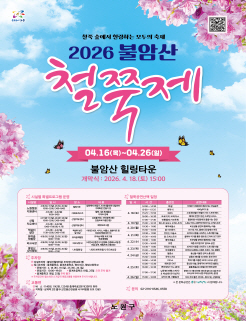
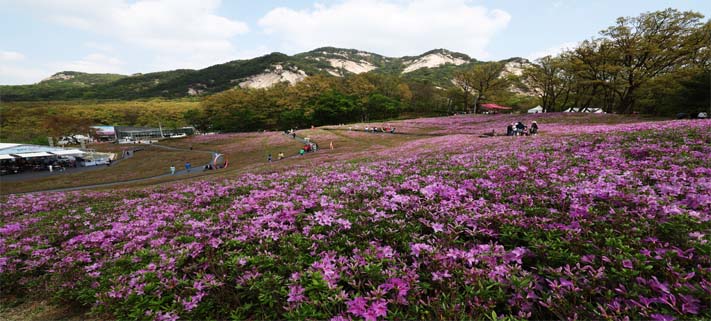
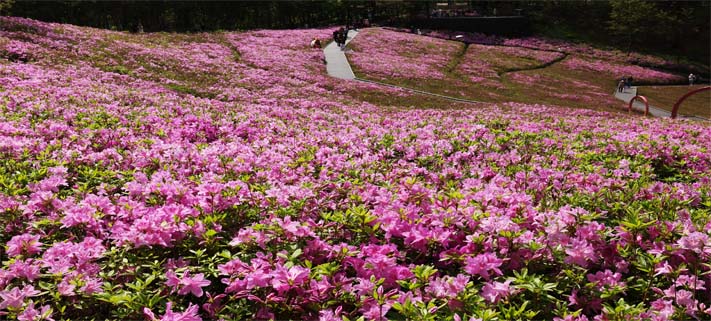
불암산 철쭉제 상세 안내
1. 시설별 특별프로그램 운영
| 시설명 | 일 시 | 장 소 | 내 용 |
|---|---|---|---|
| 노원정원 지원센터 | 4.18.(토), 19.(일), 25.(토), 26.(일) 10:00~12:00, 13:00~16:00 |
힐링가든 | 압화액자 만들기, 드라이플라워 네일아트, 가족화분 만들기 등 |
| 4.16.(목) ~ 4.26.(일) 10:00~19:00 | 카페포레스트 | 철쭉 시즌 특제음료, 디저트 판매 | |
| 산림 치유센터 | 4.17.(금)~19.(일), 24.(금)~26.(일) 10:00~12:00, 13:00~16:00 |
산림치유센터 | 싱잉볼 연주, 국악공연(5종), 단일프로그램(21종) |
| 4.16.(목) ~ 4.26.(일) 10:00~17:00 (화, 수, 목) | 산림치유센터 | 예약프로그램 | |
| 책쉼터 방긋 | 4.16.(목) ~ 4.26.(일) 11:30~12:00, 13:00~17:00 | 책쉼터 방긋 앞 마당 | 야외도서관, 서커스, 버블쇼, 벌룬아트 등 리딩인(책읽어주기) |
| 유아숲 체험장 | 4.18.(토), 19.(일), 25.(토), 26.(일) 10:00~17:00 | 유아숲체험장 | 유아숲 체험 프로그램, 목공예체험 |
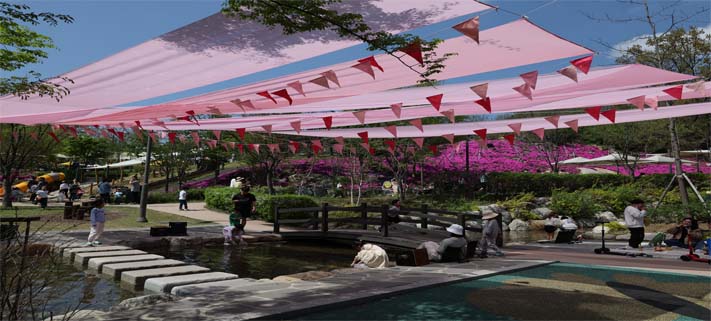
| 피크닉장 | 4.18.(토), 19.(일), 25.(토), 26.(일) 10:00~17:00 | 피크닉장 내 | (사)한국곤충연구기관협회 곤충페스티벌 등, 마술 공연, 체험프로그램(4종) |
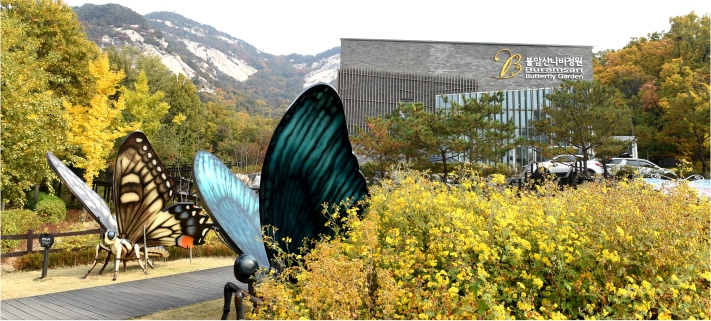
| 불암산 나비정원 | 4.18.(토), 19.(일), 25.(토), 26.(일) 10:00~17:00 | 나비정원 앞 | 나만의 부채 만들기, 우드버닝 등 |
2. 철쭉공연산책 일정
| 일 시 | 시 간 | 출연진 | 공연내용 |
|---|---|---|---|
| 4. 18.(토) | 14:00 ~ 14:30 | 루넬 | 우체부가 배달하며 벌어지는 마임공연 |
| 15:00 ~ 15:25 | 개막식 | 나비날리기 등 | |
| 15:25 ~ 15:50 | NWA | 노원 청년들이 만들어 가는 스트릿 댄스 | |
| 16:00 ~ 16:30 | 크로키키 브라더스 | 재미와 반전이 있는 드로잉 서커스 | |
| 17:00 ~ 17:40 | 전통줄타기보존회 | 줄광대와 어릿광대의 줄을 타는 공연 | |
| 4. 19.(일) | 15:00 ~ 16:35 | 웨스턴 심포니 오케스트라 | 노원구 전속 교향악단 찾아가는 오케스트라 |
| 4. 20.(월) | 10:30 ~ 11:00 | 매직버블쇼 | 비눗방울 공연과 함께하는 마술 |
| 15:30 ~ 16:00 | 튠 어라운드 | OST 및 가요, 클래식 등 팝재즈 연주 | |
| 4. 21.(화) | 10:30 ~ 11:00 | 맛있는 마술쇼 | 과자와 사탕을 나눠주는 스토리형 마술 |
| 15:30 ~ 16:00 | 봄 오케스트라 | 클래식 악기를 통한 영화 및 드라마 OST 연주 | |
| 4. 22.(수) | 10:30 ~ 11:00 | 매직버블쇼 | 비눗방울 공연과 함께하는 마술 |
| 15:30 ~ 16:00 | 뮤럽 | 대중 뮤지컬 OST 갈라쇼 공연 | |
| 4. 23.(목) | 10:30 ~ 11:00 | 맛있는 마술쇼 | 과자와 사탕을 나눠주는 스토리형 마술 |
| 15:30 ~ 16:00 | 아띠클래식 | 성악으로 표현하는 오페라, 트로트, 가요, 팝페라 | |
| 4. 24.(금) | 10:30 ~ 11:00 | 벌룬쇼 | 풍선을 이용한 관객 소통 공연 |
| 15:30 ~ 16:00 | 국악in가요 | 감동과 재미를 선사하는 퓨전 국악 | |
| 4. 25.(토) | 14:00 ~ 14:30 | 231쇼 | 막대기를 이용한 코미디 서커스 공연 |
| 15:00 ~ 15:30 | 해피준 ENT | 풍선과 마술, 광대극이 어우러진 벌룬쇼 | |
| 16:00 ~ 16:30 | 연희집단 The 광대 | 풍물, 탈춤, 남사당놀이의 연희 공연 | |
| 17:00 ~ 17:30 | 남준봉(여행스케치) & 박승화(유리상자) | 포크 송으로 우리의 소중한 추억을 공유하는 동창생 | |
| 4. 26.(일) | 15:00 ~ 16:00 | 김덕수패 사물놀이 | 우리 것이 좋은 것이여~ 찾아가는 신명마당 |
3. 주차 및 교통 안내
[주차장]
- 상설주차장: 불암산힐링타운 주차장(상현교회 옆)
- 임시주차장: 중계중학교, 중계초등학교, 영신여고, 청암고등학교
- 운영기간: 4. 18.(토), 19.(일), 25.(토), 26.(일)
- 운영시간: 10:00 ~ 19:00
- ※ 중계초등학교 18일, 25일 오전 주차 불가 / 중계중학교 18일, 25일 주차 불가
- ※ 주차공간이 협소하오니 가급적 대중교통을 이용하여 주시기 바랍니다.
[교통편]
- 버 스: 1140번, 1142번, 1224번 중계주공2단지(3단지) 하차
- 지하철: 상계역 2번 출구 (보도 15분)
본 문화공연은 노원문화재단과 함께합니다. 문의: 02-2116-0546, 0558