



Taeneung and Gangneung - Historic Site No. 201
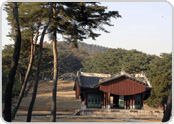
- Location: Gongneung-dong Hwarang-ro 727, 19ho (San 223-19ho)
-
At the foot of Bul-am Mountain is Taereung Athletes' Village, with Taereung (San 225-beonji) to the west and Gangneung (San 227-beonji) to the east. Taereung is the tomb of Queen Munjeong, the wife of King Jungjong of Joseon, and Gangneung is the tomb of King Munjeong's son, King Myeongjong, the 13th king, and his wife, Queen Insun. Together, the two are called Taegangneung.
Queen Munjeong was born in 1501 as the daughter of Yun Ji-im, the Prince of Pasan. She became the third queen of King Jungjong at the age of 17 and gave birth to one son and four daughters, including King Myeongjong. When King Myeongjong ascended to the throne at the young age of 12, she ruled as regent until she passed away in 1565 and was buried here on July 15 of the same year.
Myeongjong was born on May 22, 1534 and became king in 1546 at the age of 12. He was young when he ascended to the throne, so his mother, Queen Munjeong, ruled as regent, and he finally began to rule at the age of 20. Myeongjong made efforts to carry out good government, but he passed away at the young age of 34 and was buried here on September 22 of the same year. Myeongjong's wife, Queen Insun, was the daughter of Sim Gang, Prince of Cheongneung. She was appointed queen at the age of 15 when Myeongjong ascended to the throne in 1545 and gave birth to Crown Prince Sunhoe before passing away at the age of 44.
Tombstone County, Choansan, Seoul - Historic Site No. 440
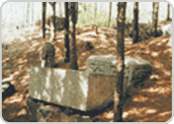
- Location: Wolgye-dong San 8-ho 3-ho 33 lots
-
The tombs of eunuchs and clan tombs of the Joseon Dynasty are concentrated and distributed throughout the entire Joseon Dynasty, providing valuable data on the funeral culture of the Joseon Dynasty. In particular, there are many tombs of eunuchs, and the tomb of eunuch Seunggeukcheol and his wife, dated 1694, provides basic data for the study of eunuch life.
Achasan Fortress (Suraksan Fortress) - Historic Site No. 455
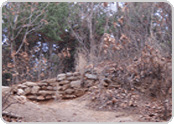
- Location: Sanggye-dong San 105-1
-
These are small-scale forts with a circumference of 100-300m, concentrated in the north-south direction along Jungnangcheon, Achasan, Yongmasan, and National Road No. 3. Suraksan Fort is one of the 17 forts in the Achasan Fortress Group. Judging from the excavated relics and construction methods, it is a relic from the Three Kingdoms Period, and it is an important relic that can shed light on the history of the Three Kingdoms that developed around the Han River basin from the time Goguryeo entered the Han River basin in the late 5th century until it was lost to Silla and Baekje in 551. The 10 or so forts are currently the most concentrated Goguryeo-related relics in South Korea, and the appearance of Goguryeo military facilities is being elucidated through excavations, etc., and archaeological results related to Goguryeo are expected through this.